
Can You Monetise Your EV Chargepoints?
Yes, most businesses can earn from EV chargepoints, through a charging tariff and through the time and money drivers spend on site. Here is what decides how much, and what to check before you count on it.
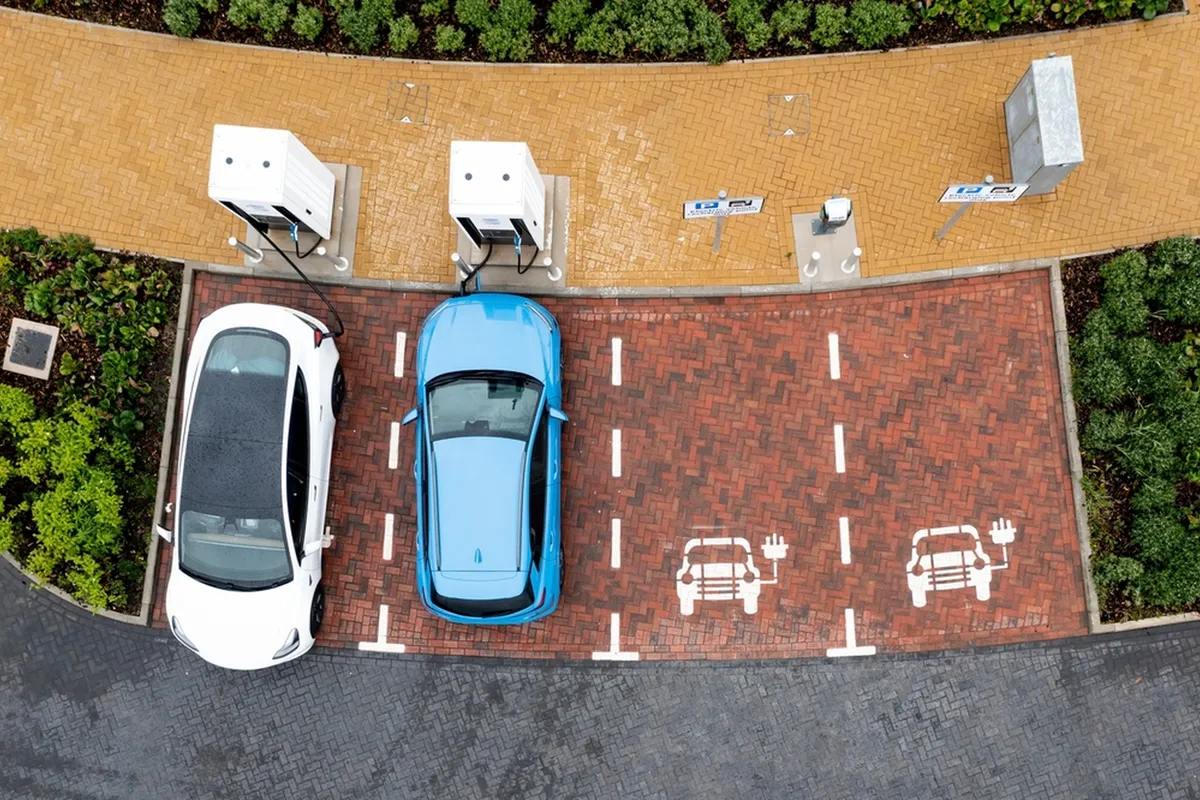
Hotels, golf clubs, gyms, garden centres and offices with parking all ask us the same thing: can we monetise EV chargepoints, or are they just a cost? The honest answer is that most sites can earn from charging, but how much depends on who uses the chargers, how long they stay and how reliable the chargers are.
Can you monetise EV chargepoints?
Yes. You can monetise EV chargepoints in two ways: directly, by charging drivers a tariff per kWh, and indirectly, through longer visits, more spending and more bookings from electric car drivers. How much you earn depends on usage, your tariff, your energy costs and, above all, whether the chargers work every time.
How businesses earn from EV chargepoints
A charging tariff
The most direct route is a price per kWh for the energy drivers use. You can set different rates for different people: free or discounted for staff, a guest rate for residents and a public rate for everyone else. A tariff that covers your electricity, VAT and running costs, with a margin on top, turns each charging session into income.
Longer visits and more spending
Drivers who plug in tend to stay until the car has charged. At a hotel that can mean a meal in the restaurant; at a garden centre or golf club, a coffee or another round. Our article on how EV chargers can boost on-site spending looks at this in more detail.
More bookings and visits
Many electric car drivers check for charging before they choose where to stay, eat or play. Being listed in the apps they use puts your venue in front of them, so make sure your chargers show up where drivers look.
Lower running costs from reliefs and grants
Some costs can be reduced. In England, eligible charge points that are rated separately qualify for 100% business rates relief until 31 March 2036 (gov.uk). In Scotland, charge points for public use, with their bays, can get 100% non-domestic rates relief for ten years from 1 April 2026, set out in the Scottish Budget 2026 to 2027; you apply through your council (see West Lothian Council's application page for an example). For staff and fleet charging, the UK government's Workplace Charging Scheme pays up to £500 per socket, for up to 40 sockets, until 31 March 2027 (gov.uk).
What decides how much you earn
Usage: how often the chargers are used and how much energy each session delivers. Our guide to EV charger utilisation explains what to measure.
Dwell time: how long drivers stay decides the right charger speed. A charger that suits your visitors gets used; one that doesn't sits idle.
Pricing: a tariff set too low loses money once VAT and energy costs are counted; one set too high puts drivers off. Public and workplace charging carries 20% VAT.
Reliability: a charger that is out of action earns nothing and loses the driver's trust. Connekt's network runs at 99.13% uptime, and up to 96.5% of faults are fixed remotely.
Visibility: drivers can only use chargers they can find, on site and in the apps.
Is this you?
Electric car drivers already ask whether you have charging.
Visitors stay for an hour or more: overnight, for a meal, a round of golf or a class.
You have parking close to your entrance that you control.
You want to offer charging to staff, guests and the public at different prices.
If two or more sound familiar, it is worth looking at what charging could earn at your site.
How to set up chargers that pay their way
Start with your visitors. Work out who will use the chargers and how long they stay. This decides the number and speed of chargers.
Check your power supply. A site survey confirms what your supply can support and whether upgrades are needed. Our hotel EV charging and workplace charging pages explain what we look at.
Set your tariffs. Decide your rates for staff, guests and the public, allowing for energy costs and VAT.
Manage and monitor. Use charging software that shows sessions, energy and revenue for each charger and lets you change prices when you need to. Our EV charging software page shows what Connekt Cloud covers.
Review the numbers. Check usage every few months and adjust prices or add chargers when the data says so. Our monetisation calculator gives a first estimate for your site.
A real example: Pro-Life Fitness Centre
The manager of Pro-Life Fitness Centre in Paisley wanted chargers she could manage remotely, with different charging rates for staff, members and the public. Connekt installed a dual 22kW charger, so two cars can charge while members train, within four weeks of the first meeting. Use of the chargers exceeded the centre's initial projections, and it is now considering adding more.
The chargers that earn the most are the ones matched to how long visitors stay, priced sensibly and working every time.
When this isn't the right fit
If very few of your visitors drive, or they stay for only a few minutes, a charger may not earn much from tariffs alone. It may still be worth offering as a service, for staff or guests, rather than as a source of income. Our article on workplace charging as a service, not a revenue stream explains that approach.
Frequently asked questions
Can you make money from EV chargers at your business?
Yes, most businesses can. Income comes from the tariff drivers pay per kWh and from the extra time and spending drivers bring while they charge. How much you earn depends on how often the chargers are used, your tariff, your energy costs and how reliable the chargers are. A site with long visits and good visibility will usually do best.
How much should I charge drivers to use my EV chargers?
Set a price per kWh that covers your electricity, the 20% VAT on public and workplace charging, software and maintenance, with a margin on top. Check what nearby public chargers cost so your rate is competitive. Good charging software lets you set different rates for staff, guests and the public and change them at any time.
Do I have to pay business rates on EV chargers?
Possibly not. In England, eligible separately rated charge points get 100% business rates relief until 31 March 2036. In Scotland, charge points for public use, with their bays, can get 100% non-domestic rates relief for ten years from 1 April 2026, through an application to your council. Check eligibility with your council before you count on it.
Can I offer free charging to staff and charge the public?
Yes, if your charging software supports different rates. Connekt Cloud lets you set separate tariffs for staff, guests and the public on the same chargers. Many workplaces offer free or discounted staff charging as a benefit and charge visitors a public rate. Speak to Connekt about setting this up.
Is there funding for installing EV chargers at my business?
There can be. The Workplace Charging Scheme pays up to £500 per socket for staff and fleet charging until 31 March 2027, and there are other funding options, some of which can mean no upfront cost. They change often, so see our funding page or book a call to find out what your site could qualify for.
The bottom line
You can monetise EV chargepoints, through a sensible tariff and through the time and spending drivers bring. The return depends on usage, pricing and reliability more than on the number of chargers. To find out what charging could earn at your site, speak to Connekt.
This article is general information, not electrical, legal or financial advice. Grant eligibility, regulations and tariffs differ across the UK and change over time; check the current position with a qualified installer or the relevant body before acting.
Last verified: 10 November 2026.